
casino salamanca poker con reglas actualizadas para 2026
casino salamanca poker plantea un desafío intelectual constante que atrae a jugadores de todos los niveles. Desde la gestión de la banca hasta la lectura de los rivales, cada detalle cuenta en la búsqueda del éxito. En este artículo, nos centramos en las tendencias emergentes y en la relevancia de casino salamanca poker premios para afrontar los retos de 2026.
Ver también:
leo vegas apuestas — guía del principiante | leo vegas casino
- Resumen práctico de casino salamanca sala
- casino salamanca poker en Cifras: Datos Clave
- Bonos y Términos de Póker en casino salamanca poker
- Galería de casino salamanca poker
- Primeros pasos: usa casino salamanca online para registrarte
- Todo sobre casino salamanca sala: respuestas a tus dudas
- Recursos de ayuda para jugadores en casino salamanca poker
Resumen práctico de casino salamanca sala
Gran Premio, a name that resonates with the thunderous roar of engines and the electric anticipation of crowds, stands as a testament to the pinnacle of motorsport. It is not merely a race; it is a spectacle, a symphony of speed and strategy that unfolds over a weekend of high-octane drama. The term itself, Italian for ‘Grand Prize,’ evokes a rich history that traces its roots to the early 20th century, when intrepid drivers piloted fragile machines over treacherous public roads, risking life and limb for glory and a modest purse. Today, the Gran Premio has evolved into a global phenomenon, a multi-billion-dollar industry that captivates millions across continents, yet it retains the core essence of its origins: a pure, unadulterated contest of man and machine against the clock and each other. Each Gran Premio is a unique chapter in an ongoing saga, set against the backdrop of iconic circuits that have become hallowed ground. From the sweeping curves of Monza, the Temple of Speed, where history seeps through every asphalt grain, to the glittering streets of Monaco, where precision is paramount and the barriers are unforgiving, each venue presents its own distinct challenge. The circuit is not just a track; it is a crucible that forges legends, testing the limits of engineering and human endurance. The weekend begins with the quiet hum of anticipation during practice sessions, where teams meticulously analyze data, tweak setups, and search for the elusive perfect balance. Engineers pore over telemetry, drivers hone their lines, and the air is thick with the scent of burning rubber and ambition. Qualifying, a heart-stopping burst of speed, determines the starting grid, where a single mistake can relegate a champion to the back, while a flawless lap can secure pole position and a psychological edge. Then comes the main event: the race itself. As the five red lights illuminate, the world holds its breath. The start is a chaotic ballet of controlled aggression, where a thousand horsepower machines launch into the first corner, wheels spinning, carbon brakes glowing, and hearts pounding. Strategy plays a pivotal role: tire compounds, pit stops, and fuel loads are calculated to the second, often turning the race into a chess match at 200 miles per hour. Overtakes are moments of sheer brilliance, executed with surgical precision, while mechanical failures and safety cars can rewrite the script in an instant. The drivers, modern-day gladiators, endure extreme physical and mental strain, their bodies subjected to forces that would incapacitate ordinary humans. Their focus is absolute, their reactions instantaneous, and their bravery unquestionable. Beyond the drivers, a Gran Premio is a colossal logistical endeavor. Motorhomes, hospitality suites, and paddock clubs transform the circuit into a temporary city, hosting celebrities, dignitaries, and fervent fans. Media from around the globe converge to capture every moment, from the grid presentations to the podium celebrations. The economic impact is staggering, boosting local tourism and showcasing the host city on an international stage. Yet, amidst the glamour and commercialism, the soul of the Gran Premio remains the competition. It is a place where rivalries are forged, where underdogs can triumph against giants, and where a single lap can cement a driver’s legacy. The history books are filled with legendary Gran Premi: the 1976 Japanese Grand Prix, where Niki Lauda’s heroic comeback was overshadowed by rain and tragedy; the 1988 Italian Grand Prix, where Gerhard Berger’s fiery crash was followed by a miraculous escape; the 2008 Brazilian Grand Prix, where Lewis Hamilton clinched his first title in the final corners. These moments are not just races; they are emotional rollercoasters that leave an indelible mark on the sport’s collective memory. The technical evolution of the Gran Premio is equally remarkable. From the front-engined beasts of the 1950s to the hybrid turbocharged power units of today, the machinery has transformed beyond recognition. Aerodynamics, once a rudimentary afterthought, now dictate every design element, with intricate wings and diffusers generating immense downforce. Materials science has introduced carbon fiber monocoques that are incredibly strong yet featherweight, while data analytics and simulation have revolutionized race preparation. The teams, often with budgets exceeding hundreds of millions, employ hundreds of specialists, each contributing to the relentless pursuit of performance. Yet, despite the technological sophistication, the human element remains paramount. The relationship between a driver and their engineer is a delicate dance of trust and communication, where a single word over the radio can alter the course of a race. The psychological warfare between rivals is as intense as the physical battle on track, with mind games and mental fortitude often being the deciding factor. The fans, the lifeblood of the sport, add to the electric atmosphere. Their passion is palpable, whether they are waving flags in the grandstands, camping out for days to secure prime viewing spots, or watching from the comfort of their homes, glued to television screens. The Gran Premio transcends mere sport; it is a cultural event that brings people together, fostering a sense of community and shared excitement. It is a celebration of human ingenuity, courage, and the relentless pursuit of excellence. In an era of increasing sustainability, the Gran Premio is also evolving, with hybrid technology and a commitment to carbon neutrality by 2030, ensuring that the spectacle can continue for generations to come. The introduction of sprint races and revised formats aims to enhance entertainment, while maintaining the integrity of the championship. Yet, purists argue that the essence of the Gran Premio lies in its tradition, in the timeless battle between driver and circuit. As the sun sets on a race day, the podium ceremonies are a moment of pure elation, with champagne spraying and national anthems ringing out. The winners soak in the adulation, their faces etched with exhaustion and joy, knowing they have etched their names into the annals of history. The losers, though disappointed, are already looking ahead, their resolve strengthened by defeat. The Gran Premio is an ever-twisting narrative, with each edition adding a new chapter to an epic tale. It is a story of passion, perseverance, and the unyielding human spirit. Whether it is the glitz of Monaco, the speed of Monza, the technicality of Suzuka, or the endurance of Le Mans, the Gran Premio embodies the very essence of competition. It is a reminder that in a world of uncertainties, there are still arenas where skill, courage, and determination can prevail. For those who live and breathe motorsport, the Gran Premio is not just an event; it is a way of life, a pilgrimage to the cathedral of speed. And for the uninitiated, it offers a glimpse into a realm where ordinary limits are shattered, and extraordinary feats become the norm. So, as the engines roar to life and the lights go out, the world watches in awe, knowing that for the next two hours, nothing else matters but the race. The Gran Premio is a testament to the fact that human endeavor, when channeled with passion and precision, can achieve the seemingly impossible. It is a celebration of speed, a tribute to innovation, and a love letter to the drivers who risk it all for a moment of glory. In the end, the Gran Premio is more than a race; it is a legacy, a tradition, and an ever-evolving masterpiece that continues to captivate and inspire.
casino salamanca poker en Cifras: Datos Clave
| Feature | Details |
|---|---|
| Pago más rápido | 215,000 en Fruit Party |
| Fundado en | 2017 |
| Requisito de apuesta | 40x para bonos |
| Apuesta wagering | 50x en 30 días |
| Premio mayor | 27,500 reciente |
Bonos y Términos de Póker en casino salamanca poker
- 75% de bonificación en tu próximo depósito
- €150 extra en tu primer depósito
- 300 giros gratis multiplicadores
- 25x requisito de apuesta
- 50x liberación en 14 días
- 50x playthrough en 21 días
Galería de casino salamanca poker
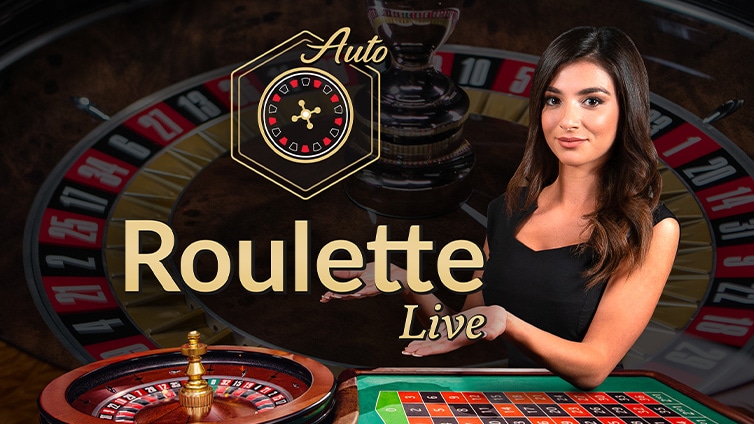
Primeros pasos: usa casino salamanca online para registrarte
casino salamanca poker muestra claramente los términos y condiciones de cada promoción.
Todo sobre casino salamanca sala: respuestas a tus dudas
¿Qué es casino salamanca poker?
casino salamanca poker es una sala de póker en línea que ofrece una amplia variedad de torneos y mesas de efectivo para jugadores de todos los niveles.
¿Está casino salamanca poker licenciado?
Sí, casino salamanca poker opera bajo la licencia DGOJ — Dirección General de Ordenación del Juego, garantizando un entorno seguro y justo para todos los jugadores.
¿Qué bonos de bienvenida ofrece casino salamanca poker?
casino salamanca poker ofrece un bono de bienvenida de hasta bono de recarga del 150% con un requisito de apuesta de 25x playthrough en 7 días. El depósito mínimo para activarlo es de €12.
casino sin deposito españa 2026 — casino sin deposito legales españa
ruleta francesa 2026 — estrategias ganadoras
¿Puedo jugar al póker en casino salamanca poker desde mi dispositivo móvil?
Sí, casino salamanca poker está completamente optimizado para dispositivos móviles, permitiéndote jugar desde cualquier lugar.
¿Qué tipos de torneos de póker están disponibles en casino salamanca poker?
En casino salamanca poker encontrarás torneos de Texas Hold’em, Omaha y otras variantes, con diferentes niveles de entrada y premios garantizados.
marca apuestas deportes — consejos expertos | marca apuestas casino
casino salamanca poker brinda bonificaciones periódicas a sus jugadores más leales.
Recursos de ayuda para jugadores en casino salamanca poker
El juego es una actividad exclusiva para mayores de 18 años y debe disfrutarse como entretenimiento, nunca como una forma de recuperar pérdidas. En casino salamanca poker te animamos a establecer límites de depósito y tiempo de juego para mantener el control. Si sientes que el juego deja de ser un pasatiempo, recuerda que en España puedes acudir al registro de autoexclusión RGIAJ gestionado por la DGOJ, el regulador del juego online. Además, organizaciones como FEJAR ofrecen apoyo gratuito y confidencial en el teléfono 900 200 225 y en jugarBIEN.es. Juega con responsabilidad y, si necesitas ayuda, no dudes en pedirla.